




Choosing the Right VPS Hosting Provider
Choosing the right VPS hosting provider is crucial for your online success. It can impact your website’s performance and security.
VPS hosting offers a middle ground between shared and dedicated hosting. It provides more control and resources.
A virtual private server (VPS) mimics a dedicated server within a shared environment. This setup offers better isolation and security.
For businesses outgrowing shared hosting, VPS hosting is ideal. It supports growth without the high costs of dedicated servers.
When selecting a VPS provider, consider key factors. These include performance, uptime, and customer support.
Scalability is also important. Ensure your provider offers easy upgrades to accommodate growth.
Pricing varies widely. Cheap VPS options may have limitations, so evaluate them carefully.
Ultimately, the right VPS hosting provider can enhance your website’s speed, reliability, and user experience.
What is VPS Hosting? Understanding the Basics
VPS hosting stands for Virtual Private Server hosting. It combines the benefits of shared and dedicated hosting.
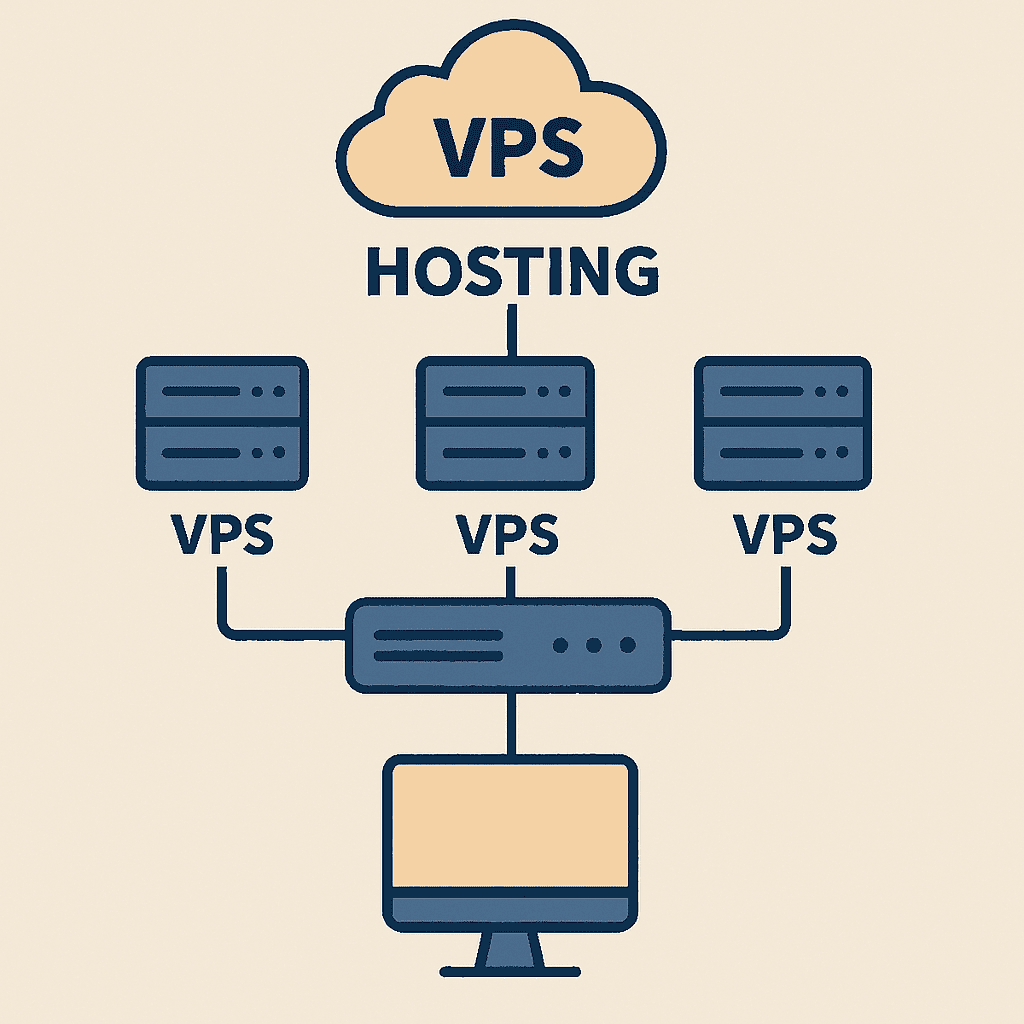
In VPS hosting, a physical server is divided into multiple virtual servers. These servers operate independently from each other.
Each VPS has its own operating system and resources. These include CPU, RAM, and storage.
A VPS server offers greater control and flexibility over hosting environments. It’s ideal for users who require specific configurations.
Key Features of VPS Hosting:
- Dedicated Resources: Each VPS has allocated resources that aren’t shared with others.
- Root Access: Users get full control over their server environment.
- Scalable Solutions: Easily upgrade or downgrade your resources as needed.
VPS hosting is suitable for websites with moderate to high traffic. It supports applications that require custom server setups.
Choosing VPS hosting is often a step up from shared hosting. It provides more stability and performance for growing businesses.
A virtual private server not only enhances website speed but also improves its security. This makes it a favorable option over shared hosting.
Understanding the nuances of VPS hosting can help in making informed decisions. It’s important for selecting the right hosting provider.
VPS Hosting vs. Shared and Dedicated Hosting
When considering hosting options, it’s crucial to understand the differences among VPS, shared, and dedicated hosting. Each type serves different needs and comes with distinct features.
Shared hosting places your website on a server with many other sites. This means you share resources like CPU and memory with others. It’s the most economical option, often chosen by small websites and personal blogs. However, performance may suffer during traffic spikes due to shared resources.
Dedicated hosting, on the other hand, provides an entire server solely for your use. This setup offers superior control, reliability, and resource availability. It’s suitable for large businesses requiring maximum performance and customization. The downside is the higher cost, which can be prohibitive for small ventures.
VPS hosting exists between these two solutions. It offers a balance of dedicated resources within a shared server environment. This provides more control and scalability without the high cost of dedicated hosting.
Key Comparisons:
- Cost: Shared < VPS < Dedicated
- Performance: Dedicated > VPS > Shared
- Control: Dedicated = VPS > Shared
Choosing between these options depends on your specific requirements and budget. Understanding these differences helps in selecting a host that aligns with your goals. A VPS server often provides a sweet spot for growing websites needing more stability than shared hosting can offer.
Key Benefits of VPS Hosting
VPS hosting provides several advantages that appeal to a broad range of users. It combines the best of shared and dedicated hosting, offering unique benefits.
Firstly, VPS hosting offers enhanced performance. With dedicated resources, your website runs smoothly, even during high traffic periods. Unlike shared hosting, your site’s performance isn’t influenced by other users’ activities.
Secondly, there is increased security. Each VPS server has its own operating system, isolating your environment from others. This isolation reduces the risk of unauthorized access and vulnerabilities.
Furthermore, VPS hosting provides greater control over server settings. You have root access, enabling you to customize and configure the server as needed. This flexibility allows for tailored solutions, especially beneficial for developers.
Scalability is another significant advantage. As your business grows, you can easily scale resources without downtime. This flexibility ensures that your site can accommodate increasing visitors efficiently.
Key Benefits:
- Improved performance with dedicated resources
- Enhanced security with isolated environments
- Greater control with root access
- Scalability for growing businesses

Overall, VPS hosting represents a perfect solution for those seeking the reliability of dedicated hosting at a fraction of the cost. It’s ideal for websites that have outgrown shared hosting but don’t yet require a dedicated server.
Types of VPS Hosting: Managed vs. Unmanaged
When choosing VPS hosting, understanding managed versus unmanaged options is crucial. Each type caters to different user needs and technical skills.
Managed VPS hosting is perfect for users who prefer to focus on their business, leaving server management to professionals. The hosting provider handles tasks like updates, security monitoring, and maintenance. This service is ideal for those with limited technical expertise or time.
In contrast, unmanaged VPS hosting provides more control. It’s suitable for users with advanced technical skills who want to manage every server aspect themselves. With this option, you’re responsible for software installations, updates, and troubleshooting.
Considerations for Choosing:
- Managed VPS:
- Provider handles technical tasks.
- Ideal for users with limited tech skills.
- Allows focus on core business activities.
- Unmanaged VPS:
- User handles server management.
- Suitable for tech-savvy individuals.
- Offers greater customization.
With a managed plan, you pay more for the convenience. Unmanaged VPS offers cost savings but requires a hands-on approach.

Selecting between managed and unmanaged VPS depends on your technical confidence and business needs. Each offers unique benefits tailored to different levels of expertise and involvement.
Essential Features to Look for in a VPS Provider
Choosing the right VPS provider means understanding essential features. Not all providers offer the same services or benefits.
First, consider uptime guarantees. A reliable VPS hosting provider should promise at least 99.9% uptime. This ensures your website remains accessible to users around the clock.
Performance is another key factor. Look for providers offering powerful CPUs and adequate RAM. These components determine your server’s ability to handle traffic and run applications smoothly.
Hardware Specs to Compare:
- CPU power and cores
- RAM capacity
- Storage type and size
Data security is critical. Check if the provider includes features like firewalls and DDoS protection. These safeguard your server against malicious attacks.
Security Features to Consider:
- Regular security updates
- Firewall implementation
- Data encryption options
It’s also important to evaluate control panel options. User-friendly interfaces like cPanel or Plesk simplify server management. This can greatly reduce the time spent on technical tasks.
Customer support quality should never be overlooked. Reliable providers offer 24/7 support through various channels. This ensures you get prompt help whenever needed.

Finally, investigate their backup policies. Regular backups and snapshots protect your data from accidental losses. Ensure the provider offers automated backup solutions for peace of mind.
By focusing on these features, you’ll find a VPS provider that meets your specific needs and supports your business effectively. Taking the time to evaluate these aspects can lead to a stable and secure online presence.
Performance Factors: CPU, RAM, Storage, and Bandwidth
Performance is the backbone of efficient VPS hosting. Understanding key components helps you choose wisely.
CPU power impacts server tasks and load-handling capacity. More CPU cores mean better multitasking and faster performance.
RAM plays a crucial role in data processing speed. With more RAM, your server can handle higher traffic and complex applications more effectively.
Key Performance Components:
- CPU: Core count and frequency
- RAM: Size and type
- Storage: SSD vs. HDD
Storage type matters too. SSD storage offers faster read/write speeds compared to traditional HDD. This enhances overall server performance and reduces loading times.
Bandwidth determines data transfer limits. Higher bandwidth supports heavy traffic and media-rich applications, improving user experience.

Evaluate these factors carefully. They collectively influence your VPS server’s speed and reliability. A balanced combination ensures your server can meet current and future needs.
Remember, the right performance setup is essential for supporting your online presence. It facilitates smooth operations and enhances user interactions, crucial for business success.
Security Considerations for VPS Hosting
Security is paramount in VPS hosting. Protecting sensitive data and maintaining privacy should be a top priority.
VPS hosting generally offers improved security compared to shared hosting. Each virtual private server is isolated, minimizing risks from neighboring servers.
Firewalls and DDoS protection are essential security features. They help block unauthorized access and prevent attacks. Regular updates and patches also play a vital role in maintaining security.
Vital Security Measures:
- Isolated environments
- Firewalls and DDoS protection
- Regular updates and patches

Choosing a VPS provider with a robust security framework is crucial. Look for additional features like SSL certificates and intrusion detection systems.
Security considerations go beyond the server itself. A vigilant approach to security ensures your website can withstand threats. It protects against potential breaches, safeguarding your business’s reputation and data integrity.
Scalability and Flexibility: Planning for Growth
When selecting a VPS hosting provider, scalability is crucial. It allows your online resources to grow alongside your business.
Flexibility in VPS hosting means customizing your environment. This customization can meet the specific needs of your applications and user base.
As your business attracts more visitors, your server should easily handle the increased load. Look for VPS providers that offer straightforward upgrading options.
Key Scalability Features:
- Easy resource upgrades
- Flexible configurations
- Support for rapid traffic growth

A flexible VPS environment can adapt to your evolving requirements. This adaptability ensures that performance remains consistent during peak traffic.
Planning for growth by choosing a scalable VPS provider prevents future problems. By doing so, you ensure a seamless user experience and uninterrupted service. As your needs change, your VPS should readily accommodate them, providing stability and reliability.
Control Panels and Operating System Options
Choosing the right control panel is crucial for managing your VPS efficiently. It simplifies server tasks and streamlines administrative functions.
Popular options like cPanel and Plesk provide user-friendly interfaces. They allow for easy management of domains, emails, and databases.
Selecting the operating system is equally important. Most VPS providers offer choices between Linux and Windows OS. Your decision should depend on compatibility with your applications.
Key Control Panel Features:
- Intuitive interface
- Comprehensive management tools
- Compatibility with various applications

Linux is often favored for its flexibility and open-source nature. Windows may suit businesses reliant on Microsoft technologies, providing a familiar environment.
Evaluate your technical needs and choose a VPS provider that offers suitable control panel and OS options. These choices can greatly influence how easily you can manage and scale your hosting environment.
Data Center Locations and Network Quality
The location of your VPS provider’s data centers can impact your website’s speed. Proximity to your target audience ensures lower latency.
When evaluating data centers, consider network quality and redundancy measures. These factors influence uptime and overall performance.
Pay attention to the provider’s infrastructure. Well-established data centers use advanced technologies to deliver high-speed connections reliably.
Important Factors:
- Low-latency location
- Advanced network technology
- Redundancy for reliability

Don’t overlook the environmental aspect. Data centers with energy-efficient operations help reduce your carbon footprint. Select a VPS provider with strategically located data centers and superior network quality. This choice ensures optimal performance and enhances user experience, essential for achieving your hosting goals.
Customer Support and Service Level Agreements
Reliable customer support is crucial in VPS hosting. It ensures you have help when technical issues arise.
When evaluating providers, consider their support channels. Options like live chat, email, and phone support offer flexibility.
Service Level Agreements (SLAs) outline the provider’s commitments. They specify uptime guarantees and response times, which are vital for maintaining your website’s functionality.
Key Support Considerations:
- Availability of support (24/7 or limited hours)
- Multiple contact options (chat, email, phone)
- Detailed SLAs with uptime and response promises

A comprehensive SLA reassures that the provider can handle problems swiftly. Choose a VPS provider that excels in support and offers robust SLAs. This combination helps you maintain a smooth, uninterrupted online presence. Prioritizing excellent support and clear agreements results in confident hosting for your business’s growth.
Comparing Pricing: Cheap VPS vs. Value for Money
Finding a budget-friendly VPS hosting option is important. However, cheap doesn’t always mean cost-effective.
When comparing prices, consider what you’re getting for your money. A low-cost VPS might lack essential features or reliable support.
Look beyond the price tag and evaluate the overall value. Sometimes, spending a bit more yields better performance and service.
Key Pricing Considerations:
- Included features and resources
- Quality of customer support
- Uptime guarantees and SLA details

Consider the long-term benefits of a slightly more expensive VPS. Often, enhanced performance and reliability pay off in the end.
Research the pricing structures of different providers. Look for hidden fees or renewal rate hikes that can affect your budget.
In conclusion, aim for a balance between cost and value. An informed decision on pricing ensures you gain both an affordable and reliable VPS hosting experience. Prioritize features and support over initial savings to meet your business needs effectively.
Additional Services: Backups, Snapshots, and Add-ons
When selecting a VPS hosting provider, consider the additional services offered. These can be crucial for maintaining your website’s functionality and security.
Backups are essential for disaster recovery. Many providers offer automated backups, ensuring data safety without manual intervention.
Snapshots provide a quick way to save your server’s current state. They’re useful for testing changes or reverting to a previous setup.

Add-ons can enhance your server’s capabilities. Consider optional services like additional IP addresses, enhanced security tools, or advanced monitoring.
Key Additional Services to Consider:
- Automated and manual backups
- Snapshot creation and restoration
- Available server add-ons and integrations
These additional features can impact the value of your hosting plan. Opt for a VPS provider that offers comprehensive services to cover all your needs. This will ensure a robust hosting environment where your website can thrive securely and efficiently.
How to Evaluate and Compare VPS Providers
Choosing the right VPS provider requires a careful evaluation process. Start by identifying your specific hosting needs. Consider the technical requirements and budget constraints.
Next, research various providers. Look for information on performance metrics like uptime and server speed. Reliable providers often publish these statistics.

Customer support quality is another essential factor. Check if the provider offers 24/7 support and multiple contact methods. A responsive support team can solve technical issues swiftly.
Evaluation Checklist:
- Provider’s uptime guarantee and server performance
- Quality and availability of customer support
- Pricing and value for money
Finally, compare customer reviews and reputation. User feedback can reveal hidden strengths or weaknesses of a provider. With detailed evaluation, you can select a VPS hosting provider that aligns with your goals and provides excellent service. This thorough approach ensures you make an informed decision.
Common Use Cases for VPS Hosting
VPS hosting offers versatile solutions for various needs. One common use is hosting multiple websites on a single server. This setup simplifies management while providing more control.
E-commerce sites also benefit from VPS hosting. The enhanced security features protect transactions and customer data. Additionally, faster load times improve user experience and sales conversions.

Developers often use VPS for testing environments. It provides them with a safe space to deploy and test applications without affecting live sites. This flexibility helps in identifying issues early.
Common Use Cases:
- Hosting multiple websites
- E-commerce sites requiring security and speed
- Development and testing environments
Lastly, VPS hosting suits businesses needing reliable databases. With dedicated resources, databases run more efficiently. This reliability is crucial for operations that require consistent and fast data access. VPS hosting’s adaptability ensures it meets diverse business needs efficiently.
Frequently Asked Questions About VPS Hosting
When considering VPS hosting, numerous questions might arise. Here are some common inquiries to guide your decision-making process.
Many wonder about the main difference between VPS and shared hosting. VPS hosting provides dedicated resources, offering greater performance and stability compared to shared hosting. It’s like having your own private space in a crowded building.

Costs are another concern for many. While not as cheap as shared hosting, VPS offers better value for money considering the resources and control it provides. Additionally, different providers offer various price tiers, allowing some flexibility.
FAQs:
- What differentiates VPS from shared hosting?
- Are there cost-effective VPS options?
- What level of control does VPS offer?
- Can I easily upgrade my VPS plan?
Others may question the ease of upgrading a plan. Many VPS providers offer simple scalability options, allowing businesses to grow without heavy disruptions. This potential for growth is a significant advantage over other hosting types. Understanding these aspects can clarify if VPS hosting is the right choice for your needs.
Conclusion: Making the Right Choice for Your Needs
Selecting the right VPS hosting provider requires careful evaluation of your specific needs and goals. Understanding the benefits, such as enhanced performance and control, is essential. Comparing different plans based on key features and support services helps ensure a good fit.
The decision should also consider your growth trajectory and budget. Opt for a provider that offers scalable solutions without hidden costs. This way, you can seamlessly adapt to increased demands without financial strain.
Ultimately, the ideal VPS hosting provider empowers you with flexibility, reliability, and security. By thoroughly assessing your options, you can make an informed choice that supports your website or application’s long-term success. Remember, the right provider can be a strategic partner in achieving your business objectives.
You can check this also :- VPS Hosting, Webhosting & WordPress Hosting by Lanxhost.com